
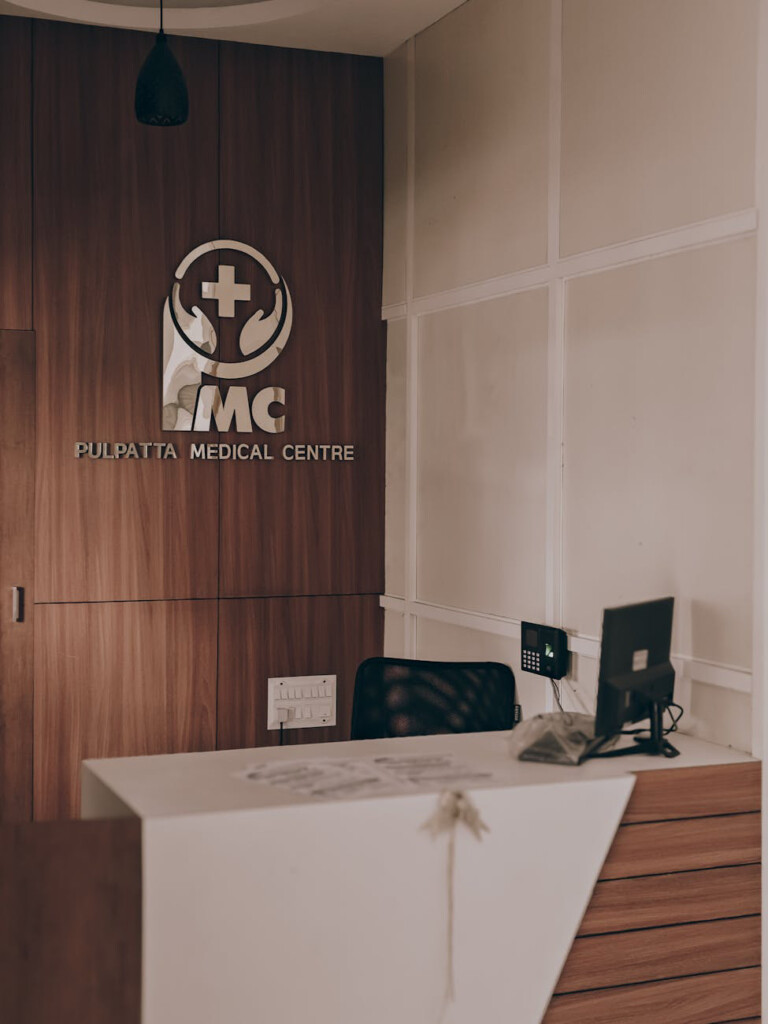
The reception desk has been the pillar of the medical office for decades. Patients check in there, phones are answered from there, insurance cards are copied from there, and everything administrative operates from there, one could assume. But for many practices, this antiquated positioning no longer makes sense. Not that there’s anything wrong with a physical desk per se, but the way patients engage with healthcare and the way practices must function has shifted so much that the model that worked best in the past no longer works as effectively.
Patients Don’t Want to Wait in Line
One of the biggest changes is that patients are accustomed to doing everything digital. They book tickets on their phones, they check in for flights from their couches, and they no longer want to stand in line at a reception desk to hand over an insurance card. Most everything has moved on since that model of customer service; why should healthcare be any different?
This isn’t to say that a dedicated person is not at all times placed at the front desk (at least some of the time). But it means that practices are finding that things that can be done from a distance or preemptively does not necessarily require someone to be present at a desk location. Simple confirmations, verifications, and possibly two nuanced questions do not require someone even in the same room anymore. Remote coverage allows employees who are virtually available to more effectively cover those simple inquiries without tying them up during in-office visits for more pressing concerns.
The Bottleneck Effect
The antiquated reception desk creates a bottleneck. There’s only one front desk with limited space, hours, and employees who may or may not be present to answer calls from patients on hold while three others sit waiting for attention simultaneously. When three patients walk in, and simultaneously calls come through, something’s going to give.
Many practices are investigating opportunities that spread out this responsibility.Virtual receptionist services from My Mountain Mover can give practices proper phone coverage so that they don’t rely solely on the one physically present option struggling to triage phone calls and walk-ins simultaneously. When phone calls can be separated out with proper coverage from people whose job it is to answer them, they’re answered as quickly as possible without sacrificing impatient patients waiting just outside the front door.
Staffing Gets Complicated And Expensive
Maintaining a physical presence at reception means staffing it throughout operating hours. Even if the front desk staff gets a lunch break, that means coverage is needed for that time, plus overlap for shuffling employees who call out sick or go on vacation. For smaller practices, this could mean hiring more hours than necessary to ensure someone is physically present at a time they might not otherwise need.
Furthermore, until volume meets the required operating hours of business, it’s often inefficient. If mornings get slammed with calls but afternoons are quiet, those practices still need someone standing around twiddling their thumbs at their desk instead of responsible staffing for the position required most.
Technology Changed Everything
Electronic health records, cloud-based practice management systems, and VOIP phone systems have made receiving functions possible wherever someone is located. The accessibility means that no one has to be sitting at a physical desk in the office getting access to any patient files; they can access their appointment details, time slots, and answers by communicating via the channel through which everyone else operates.
However, it’s not just the technology that gets things done; it’s knowing how to utilize what’s easiest without sacrificing an easy welcome to avoid an increased burden from those ignoring human interaction altogether. No one wants to work with an automated system; there’s too much transparency and pressure for something to go wrong without consequences of being stuck in a funnel without help.
Patient Expectations Have Changed
Patients expect quicker turnaround times now. When they call with a question and then leave a voicemail because their inquiry isn’t answered before lunch, it’s bothersome. But when they’re getting callbacks and telehealth appointments just an hour after sending out requests or leaving a message, they prefer this option for effectiveness rather than waiting weeks for inquiries about prescriptions.
Some practices address this need by separating phone responsibilities from administrative ones. Someone dedicated to answering any calls (even from a home office or remote location) can facilitate quicker responses while those on-site work diligently on those physically present with waiting concerns.
Space
Space is expensive; real estate is money and reception desks take up useful square footage. As companies attempt to utilize space best, some wonder if the front desk mat is truly necessary if so much else will be done elsewhere anyway. Can that space be better used for another exam room? A prettier waiting area?
Remote reception skills eliminate substantial square footage needs altogether; some staff does not need to be there when administrative functions happen at another location. This is not to say that a reception area needs to be entirely eliminated; however, it can be lessened with physical presence only required for those who need immediate guidance while on-site.
What This Actually Looks Like
Those practices aren’t doing anything dynamic; they’re simply redistributing functions in ways that make sense how they operate now. For example, real people can check-in check-out check-on-their-phones while different people manage the answering of phones (and remote verification of insurances) on-their-phones. The things that people have to do together don’t have to happen at one location but spread out to where they’re best suited, anywhere but the same place.
The traditional reception desk isn’t going anywhere; but it’s on its way to becoming something entirely different. Practices are coming around the fact that it doesn’t need to all happen in one location immediately; instead, ways of making sense of it all through flexibility create chances to serve patients and operational challenges more easily and effectively.
Last Updated on Monday, February 2, 2026 by Lavania Oluban