
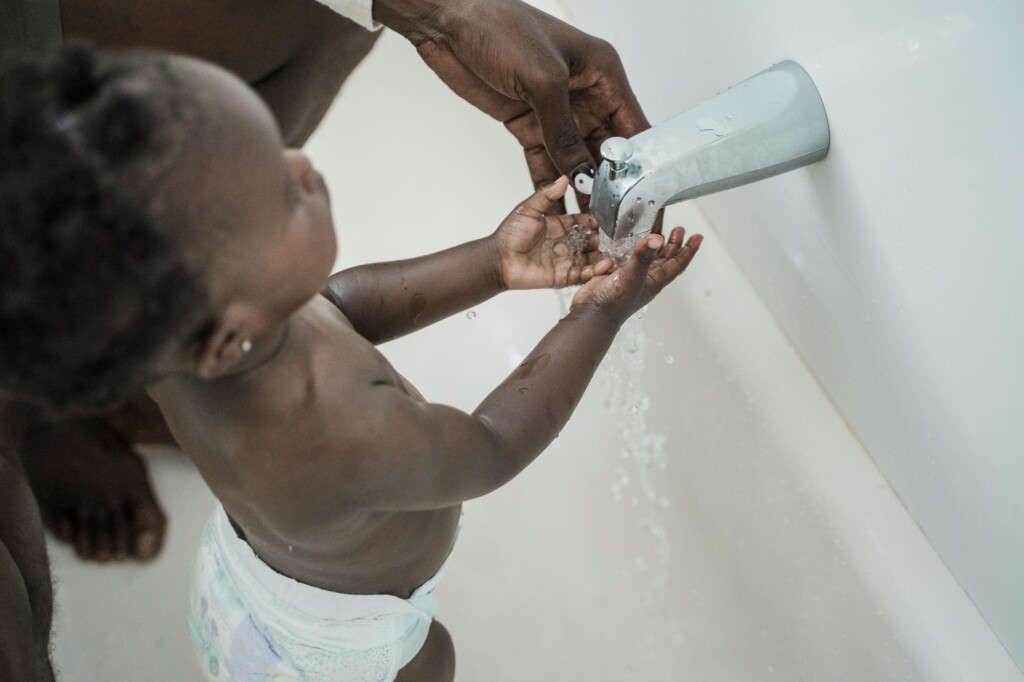
Finding the right unscented body wash for kids with sensitive skin
Bath time in our house used to be a bit of a nightmare. Not because of the usual battles over getting in or out of the tub, but because my son would come out covered in red patches, scratching like mad and generally miserable. We’d tried what felt like every “gentle” and “mild” body wash on the market but nothing seemed to help. It took far too long to realise that the problem wasn’t the harshness of the products, it was the fragrances.
Sensitive skin is surprisingly common in children, but it’s not always obvious what’s triggering reactions. Fragrances are one of the biggest culprits, even in products marketed specifically for kids. Those “baby powder” or “cotton fresh” scents might smell lovely, but for reactive skin, they’re often the source of irritation, redness, and discomfort.
The term “unscented” can be a bit misleading. Some products labelled unscented actually contain masking fragrances to cover up the natural smell of ingredients. What you really want is fragrance-free, which means absolutely no added scent whatsoever. For children with sensitive skin, this distinction matters enormously.
When we finally switched to a proper unscented body wash, the difference was almost immediate. The redness calmed down within days, the constant scratching stopped, and bath time became enjoyable again rather than something we all dreaded. It seems so obvious in hindsight, but when you’re surrounded by heavily scented products in every shop, it’s easy to assume they’re fine.

What else to avoid
Fragrance isn’t the only ingredient that can cause problems. Harsh surfactants like sodium lauryl sulphate (SLS) can strip the skin’s natural oils, leaving it dry and irritated. Dyes and colours serve absolutely no purpose in body wash except making it look pretty in the bottle, and they’re another common trigger for reactions.
The best body washes for sensitive skin have short ingredient lists with recognisable components. If you need a chemistry degree to understand what’s in the bottle, it’s probably not ideal for delicate skin. Look for products with gentle cleansing agents, moisturising ingredients like glycerin or ceramides, and ideally ones formulated at a pH that won’t disrupt the skin’s natural barrier.
Making the switch
If you suspect your child’s skin issues might be related to their current body wash, switching to an unscented option is a simple first step. You don’t need to overhaul their entire routine immediately, just swap the body wash and see if things improve over a week or two.
It’s worth noting that fragrance-free products can smell a bit… well, like nothing, or occasionally slightly odd. Kids might initially complain that their new body wash doesn’t smell like strawberries or bubblegum, but once they realise it stops the itching, they usually stop caring. We explained to ours that sometimes the boring-looking products actually work better, and that seemed to satisfy them.
Where to find decent options
Finding quality fragrance-free children’s products used to be quite difficult. You’d either be stuck with very basic, clinical-looking options from the pharmacy or expensive specialist brands. Thankfully, this has improved significantly. Retailers like Notino now stock a much wider range of fragrance-free body care products, making it easier to find something that works without having to order from specialist websites or pay premium prices.
The selection has genuinely improved, you can find fragrance-free options that still lather nicely, rinse clean, and don’t leave skin feeling stripped or tight. Some even come in pump bottles, which makes bath time with multiple kids significantly easier.
Beyond body wash
Once you’ve sorted the body wash situation, it’s worth looking at other products that might be causing issues. Shampoos, bubble baths, and even laundry detergent can all trigger reactions in sensitive skin. We gradually moved to fragrance-free versions of everything that touches their skin, and the cumulative effect has been brilliant.
It doesn’t have to happen overnight. Start with body wash since that’s in direct contact with the largest area of skin, then gradually swap other products as you run out. This approach is easier on your budget and gives you time to work out what makes the biggest difference.
When to see a GP
If switching to fragrance-free products doesn’t help, or if your child’s skin is very inflamed, cracked, or weeping, it’s worth getting proper medical advice. Sometimes what looks like sensitivity to products is actually eczema, dermatitis, or another condition that needs specific treatment.
That said, for many children, simply removing irritating fragrances and harsh chemicals from their bath routine solves the problem completely. It’s one of those parenting wins that feels almost too simple to be true, but it genuinely works.
The relief of finding what works
There’s something genuinely wonderful about watching your child enjoy bath time again without the inevitable scratching session afterwards. Seeing their skin calm, clear, and comfortable makes the slightly boring bottles of fragrance-free body wash feel like an absolute godsend.
If you’re dealing with a child who’s constantly uncomfortable, itchy, or covered in mysterious red patches, trying an unscented body wash might be the simplest solution you haven’t yet considered. Sometimes the answer really is that straightforward.
Last Updated on Tuesday, January 13, 2026 by Lavania Oluban