
The first time I took Arlo to a festival, he was only a few weeks old. We were living in Kent and there was a little day festival in a big local park. I fancied hearing some live music, so I put him in the pram and went on my own. I got some street food, sat on a picnic blanket and listened to the bands for a couple of hours while he slept. I remember thinking, I can do this. Because I did it before I had time to overthink it, taking him along just became part of what I did.
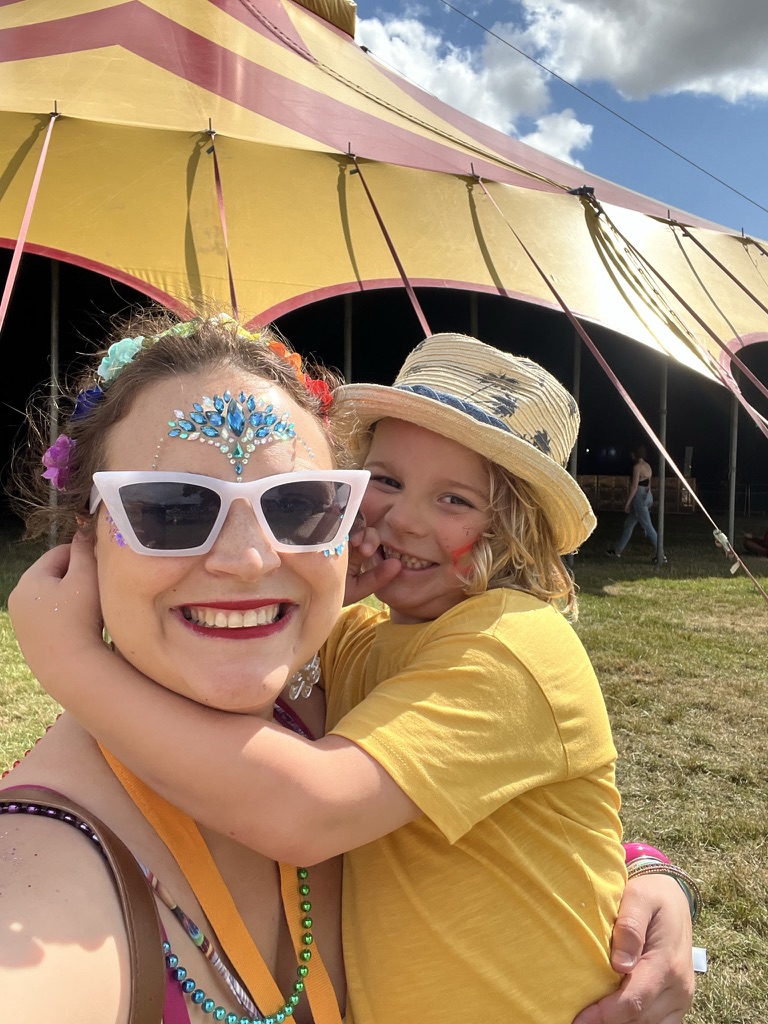
Years later, the bit I remember most from a Bestival weekend is walking around as it got dark. The lights were coming on, Arlo and his cousin had their faces painted, and there was a trolley to hop in when they got tired. The next morning he was just as excited about his camp breakfast. I go for the music, but he can happily sit on a blanket building Lego while we wait for a band. Other kids have come over and joined in. At another festival he spent ages sanding and decorating a wooden sword at a craft workshop. Those are the moments I’d make time for now.
Festivals with kids can be brilliant, but they do need a little more planning than turning up with a tent and a bag of clothes. I have been to festivals with my son and to plenty without children, so I know the difference a sensible plan can make. The aim is not to control every minute. It is to make the important bits easier, from getting there and finding your tent to handling food, noise, tiredness and toilet trips.
If you are choosing your first family event, start with my guide to family-friendly festivals in the Midlands. It is a useful place to compare the type of festival, location and family facilities before you book.
At a glance
- Choose a festival that suits your child, not just your own music taste.
- Plan transport, camping, meeting points and toilet trips before you arrive.
- Pack for changing weather, tired legs, noise and muddy conditions.
- Take familiar food and use simple food safety rules when camping.
- Build in quiet time, snacks and early nights where possible.
- As a solo parent, make safety plans that do not rely on having another adult there.
Choose the right festival
There is no single definition of a family festival. Some have dedicated children’s areas, craft sessions and early evening entertainment. Others are large music festivals where children are welcome but the family offer is less central. Both can work, as long as you know what you are signing up for.
Read the current festival website carefully before buying tickets. Look for information about children’s activities, accessible toilets, drinking water, showers, medical support, campsite facilities, buggy access, quiet spaces and what happens after dark. Check the rules for children, tickets and camping too, as these vary between events and can change.
When Arlo was little I also took him to CoCoMAD in Cotteridge Park with family. He could have a cuddle and a little dance, and we could wander off and find something else to do whenever we felt like it. The organisers have announced Saturday 3 July 2027, with no ticket needed. If your child has never been around live music, try a school fair, village fete or local day festival first. I’d book a day ticket before committing to a camping weekend. Pick a line-up you’d be happy to dip in and out of, especially if it’s your first time together.
I once really wanted to see Andy C, and we lasted about ten minutes before Arlo had had enough. We went back to the campsite, he fell asleep and I sat in a camp chair by the awning listening to what I could still hear of the set. It turned out to be a lovely evening. Now I look for somewhere to take a breather, whether that’s a woodland walk, a quieter workshop or the tent. Sometimes the best bit of the whole weekend is having churros together after dark.
Day festival or camping festival?
A day ticket can be a gentle introduction if you are unsure how your child will cope with a festival environment. You can leave when everyone has had enough, sleep in your own bed and carry less kit. The trade-off is that travel can become tiring, especially if the festival is a long way from home.
Camping gives you more flexibility and makes it easier to take breaks, but it adds work. You need somewhere to sleep, cook or buy food, wash, change clothes and store belongings. For a first trip, choose the option that feels realistic for your family rather than the one that sounds most adventurous.
Plan the logistics before you go
Festival sites are busy, noisy and often much larger than they look on a map. Before setting off, save the site map and key information on your phone, then take a screenshot in case the signal is poor. Check where the family camping area, welfare point, toilets, water points and stages are located.
Getting there and setting up
Allow more time than you think you need for parking, queues and walking with bags. If you are camping, keep the first job simple: find your pitch, put up the tent and make a drink or unpack an easy snack before trying to explore. Everyone copes better when they are not hungry and you are not trying to assemble camp in a rush.
Use a trolley only if it is allowed and genuinely useful for the ground conditions. A comfortable rucksack is often easier for small essentials, while a separate bag for camping equipment keeps the day bag light. Mark your tent with something easy to recognise, but do not display personal information.
As a single parent, I find getting the kit to the pitch and putting the tent up the hardest part. When Arlo was small I gave him something to play with on a picnic blanket next to me while I set up. I’ve booked pitches where I could park by the tent, paid for help with the bags and, when the event allowed it, pitched the day before and come back with him. Check what your festival offers before booking. It makes a huge difference when you’re carrying everything yourself.
Make a simple meeting and contact plan
Even if you are with your child all day, talk through what to do if you become separated. Choose an obvious meeting point, such as a named welfare or information area, rather than saying you will find each other at a stage. I show Arlo what staff, stewards and welfare teams look like, and explain that he can ask them for help.
Write your phone number on a card kept in a secure pocket, or use an appropriate contact band if that works for your child. A phone may run out of battery or lose signal, so do not make it your only safety plan. If you are a single parent, tell a trusted person at home where you are staying and agree when you will check in.
Pack for comfort, not perfection
Arlo’s little bag of Lego and Uno earns its place every time. You can get a game of Uno going on a picnic blanket and end up playing with people you’ve just met. Face paint is always fun too. I used to bring far too many outfits, when Arlo would happily wear the same shorts for three days. I still pack dry spares, but I’m much happier carrying less.
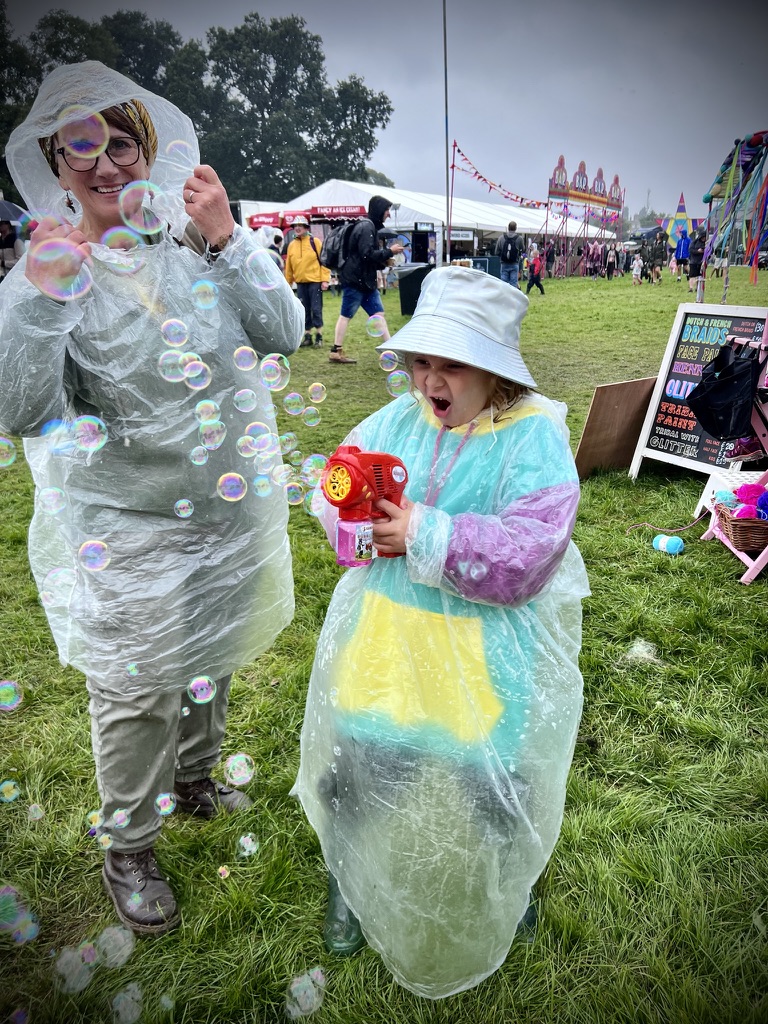
The best festival packing list is one that helps you deal with weather, tiredness and small messes without carrying your entire home. I pack layers rather than one bulky outfit, because a sunny afternoon can turn into a cold evening. Waterproof coats, wellies or sturdy shoes, spare socks and a change of clothes are worth the space.
For camping, think about sleep as well as daytime fun. Take sleeping bags suitable for the conditions, comfortable sleepwear, a torch with spare batteries or a charged light, and something familiar that helps your child settle. A sleeping mat with enough insulation and a pillow or soft alternative can make a real difference.
Keep a small day bag ready with water, sun protection, tissues, hand sanitiser, plasters, snacks, a waterproof layer and any essential medication. Pack medication in its original packaging where possible and follow the instructions from your healthcare professional. I also take a portable phone battery, but I do not rely on it instead of planning where charging points may be available.
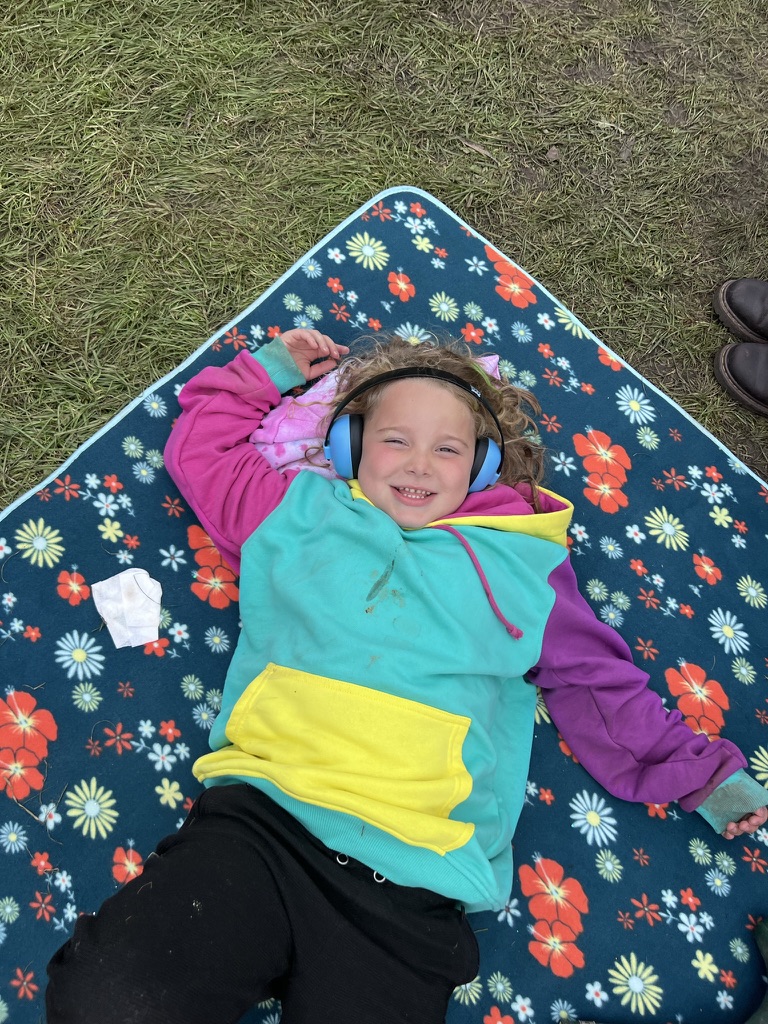
Do not forget ear defenders if your child finds loud or unpredictable sounds difficult. Look for properly fitting protection designed for children, and let your child get used to wearing it before the festival. It should reduce the volume without making communication impossible. Sunglasses, a hat and a familiar small activity can also help when the site feels overwhelming.
Food and drink at a festival
Festival food can be part of the fun, but queues, unfamiliar menus and high prices can be hard when a child is tired. I take foods I know my son will eat, then treat anything bought on site as an optional extra. This also helps keep spending under control.
What to pack
Choose food that travels well and does not need chilling, such as oat bars, crackers, fruit that will not bruise easily, bread rolls, cereal, dried fruit and individually wrapped portions. Take enough for the journey and the first part of the day, then check the festival’s rules about bringing food and drinks before you go.
If you have access to a cool bag, use it for food that genuinely needs to stay cold and add frozen blocks where permitted. A cool bag is not a fridge, especially in warm weather. Keep meat, fish, dairy and prepared dishes cold from the start, follow the storage instructions and throw away anything that has been warm for too long. When in doubt, choose a shelf-stable alternative.
Simple camp cooking
For a camping trip, keep cooking uncomplicated. Instant oats, soup, pasta with a jarred sauce, couscous and tinned meals can all work with hot water or one pan. Take only the equipment you are confident using, plus a lighter, matches in a waterproof container if allowed, and a way to wash up. Never cook inside the tent, and follow the festival’s rules for stoves, gas and fires.
Wash your hands before preparing food and after using the toilet, keep raw food separate from ready-to-eat food, and use clean water for drinking and cooking. A few reusable containers, a sturdy mug and lightweight cutlery are usually more useful than lots of specialist kit. As a food teacher, I would rather pack a reliable snack and make safe, simple choices than attempt an ambitious camp menu when everyone is tired.
Keep children safe on a busy site
Talk about safety before you arrive, but keep the conversation calm. Explain that festivals have crowds, vehicles, ropes, stages, water points and unfamiliar adults. Agree that your child stays close, asks before wandering off and tells you quickly if something feels wrong.
Dress your child in something easy to spot, especially if you are visiting with a group. Take a current photo on your phone each day, make a note of what they are wearing and keep contact details accessible. Avoid posting live information about your exact pitch or location publicly.
Use the welfare, medical and lost-child services rather than trying to solve a serious problem alone. Find them when you arrive so you know where to go. As a single parent, I also think about my own limits. I do not plan activities that require me to supervise from two places at once, and I leave enough time for toilet breaks, food and rest.
Sun, heat, cold and mud can all affect a child quickly. Encourage regular drinks, offer shade and adjust your plans if your child looks uncomfortable. Check shoes and socks for rubbing, and do not be embarrassed to leave an activity early. That is not failing to enjoy the festival. It is sensible parenting.
Manage noise, sleep and tiredness
A festival day is stimulating even when the music is not especially loud. There are crowds, smells, lights, queues and constant choices. Build in quiet time before anyone reaches the point of meltdown. A calm corner, the tent, a short walk away from the stages or a low-key activity can reset the day.
Do not promise that your child will sleep perfectly in a tent. Keep the bedtime routine as familiar as you can, with the same sleepwear, story or comfort item used at home. Ear defenders can help during the day, but they are not a substitute for a safe, comfortable sleep set-up. If the campsite is lively, decide in advance how you will handle a difficult night.
For grown-up festivals without kids, I am happy to stay out later, move between stages and make decisions based entirely on what I fancy doing next. Festivals with my son need a different rhythm. That does not make them less enjoyable. It means I look for shared moments, good food, creative activities and enough breathing space for both of us.
Save money without making the trip miserable
Set a festival budget before you arrive and divide it into travel, food, activities and an emergency amount. It is much easier to decide about extras when you know what is available. Check what is included in the ticket, what costs extra and whether cash, cards or both are useful on site.
Pack breakfast, snacks and refillable water bottles if the rules allow. Buying every drink and meal can quickly become the largest part of the day’s spending. Choose one or two paid activities that your child is genuinely excited about rather than saying yes to everything in the first hour.
Borrow camping equipment from friends or family if you can, and test it at home before the festival. A good waterproof layer, warm sleeping kit and comfortable footwear are usually better investments than lots of novelty items. Reusing kit for future camping trips also makes the cost easier to justify.
Let the festival be flexible
The most useful plan has room to change. You may miss an act because of a toilet queue, discover that your child loves an activity you had not noticed, or decide that the tent is the best place to be for an hour. I choose a few priorities, then let the rest of the day develop around how we are feeling.
Take photos if you want to remember the day, but do not spend the whole festival recording it. Share decisions where possible, give your child small jobs such as choosing the next snack or checking the map, and notice when you are both having fun. A successful festival is not measured by how many stages you visit. It is whether you come home with good memories and enough energy to do it again.
FAQ
What is the best age to take a child to a festival?
There is no universal best age. Consider your child’s sleep, tolerance for crowds, interest in the activities and ability to stay close in a busy place. A short day visit can be a useful first step before camping.
Should I take a buggy to a festival?
Check the festival’s ground conditions and access information first. A sturdy buggy can help with tired legs and carrying essentials, but mud, crowds and uneven ground may make a sling or walking plan more practical for some families.
How do I keep my child safe if we get separated?
Agree a meeting point before exploring, show your child who to ask for help and keep your contact details accessible. Use the festival’s welfare or lost-child service immediately rather than searching alone.
What food is easiest to take to a festival?
Choose familiar, shelf-stable foods that travel well, such as cereal, crackers, oat bars, bread rolls and fruit that will not bruise easily. Follow the festival’s food rules and keep anything needing refrigeration properly cold.
Festivals with kids can take a little more preparation, but they can also give you some of the loveliest shared memories. Start with an event that fits your family, pack for comfort and leave space for plans to change. For more ideas and practical comparisons, head back to my guide to family-friendly festivals in the Midlands.
Last Updated on Wednesday, November 25, 2026 by Lavania Oluban